Introduction
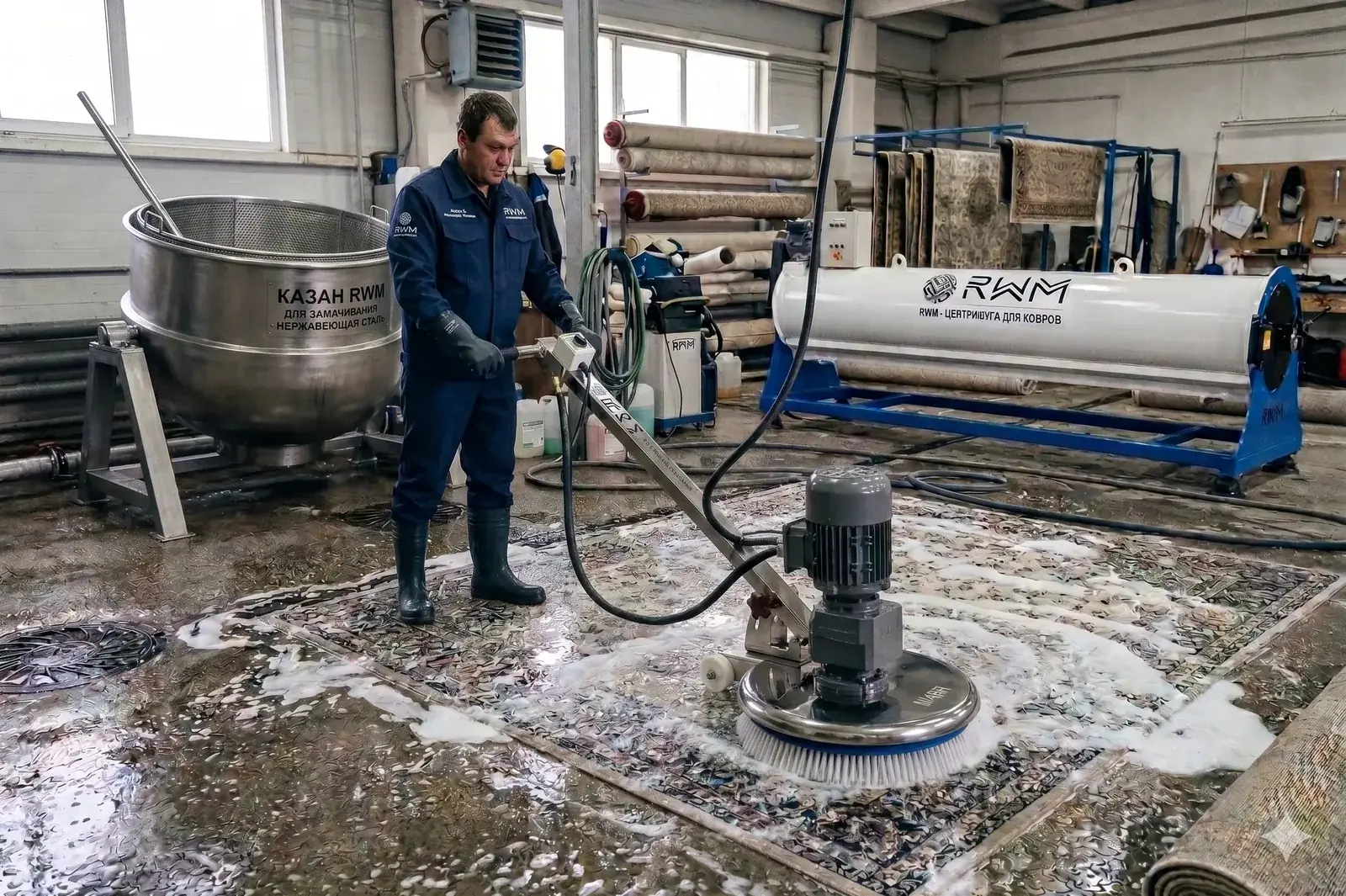
Your carpet cleaning equipment is a significant investment. To protect that investment, maximize its lifespan, and maintain peak performance, proper maintenance is essential. A well-maintained machine can last 15-20 years, while a neglected one might fail in 3-5 years.
This comprehensive guide covers everything you need to know about maintaining RWM equipment, from daily checks to major service intervals. Follow these practices, and your machinery will remain reliable and efficient for years to come.
Why Maintenance Matters
Cost of Poor Maintenance:
- Unexpected breakdowns during peak season (lost revenue)
- Expensive emergency repairs (often 5-10x preventive maintenance costs)
- Reduced efficiency (10-15% lower output)
- Shortened equipment lifespan
- Safety hazards for operators
Benefits of Regular Maintenance:
- ✅ 20-30% longer equipment lifespan
- ✅ 15-20% better operational efficiency
- ✅ 40-50% lower repair costs
- ✅ Zero unplanned downtime
- ✅ Better safety
- ✅ Warranty protection
Daily Maintenance Checks (15-30 minutes)
Perform these checks before each use:
For All Equipment
Visual Inspection
- Check for leaks (water, oil, or chemical)
- Inspect hoses for cracks or damage
- Look for loose bolts or connections
- Check electrical cords for damage or exposed wiring
- Verify all safety guards are in place
Fluid Levels
- Motor oil (if applicable)
- Coolant levels
- Hydraulic fluid
- Water in the system (if fresh water tank)
Operational Test
- Start the machine and listen for unusual sounds
- Check that all switches and buttons respond correctly
- Verify all motors run smoothly
- Test pressure gauges (should be in normal range)
- Check that drainage systems work properly
Cleaning
- Remove debris from filters
- Wipe down the machine exterior
- Empty drainage containers
- Clean inlet screens
Equipment-Specific Daily Checks
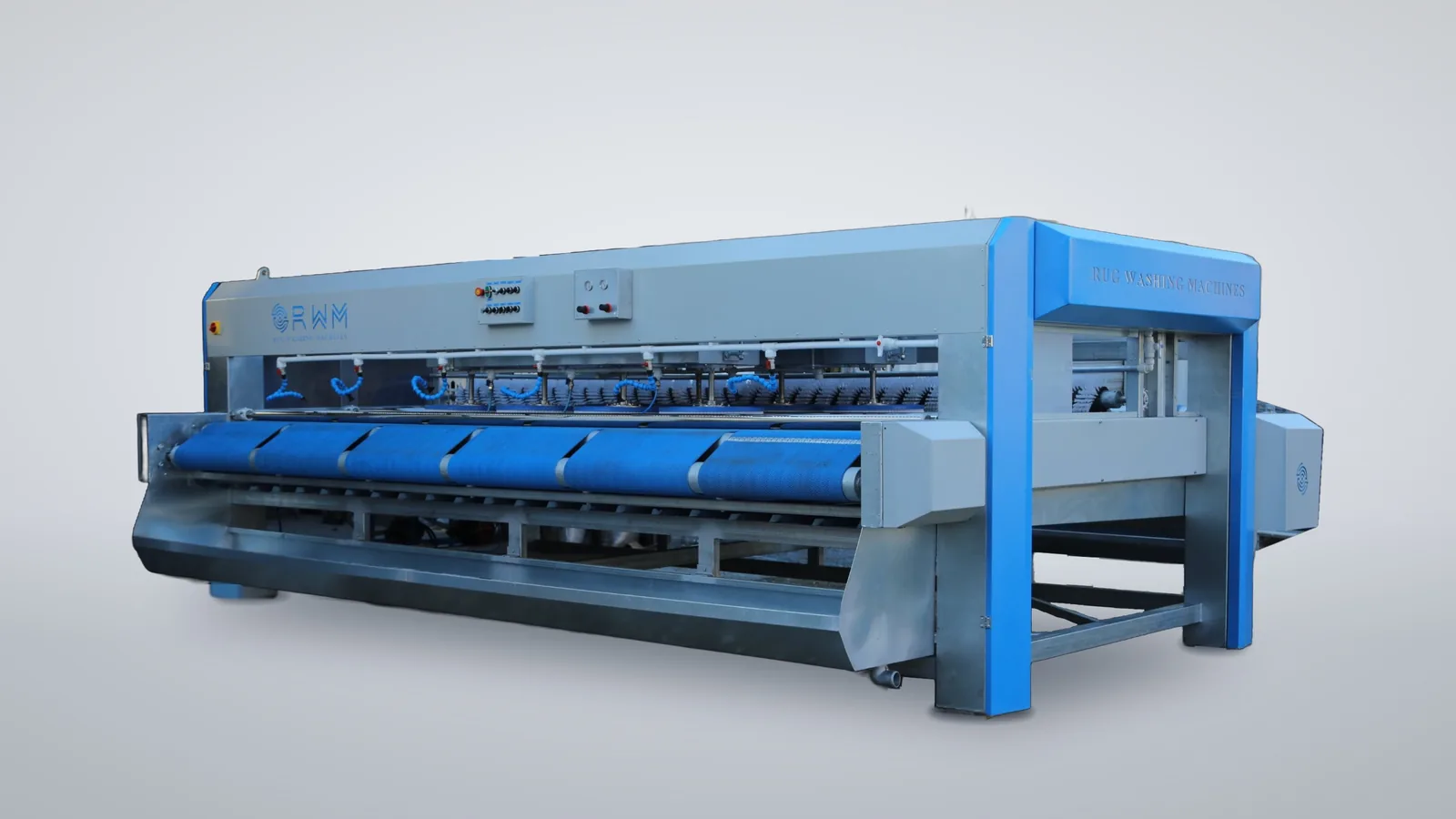
Conveyor Carpet Washing Machines
- Belt tension (should have 1/2 inch deflection when pressed)
- Spray nozzles (check for clogs)
- Water temperature (verify heating element is working)
- Conveyor movement (smooth, no stuttering)
- Detergent level and distribution
Dust Blower/Knocker Machines
- Air filter condition (replace if clogged)
- Dust collection bag (empty if more than 1/3 full)
- Seals on the door (should close tightly)
- Vibration motor operation (should feel strong vibration)
- Carpet suspension system (should be secure)
Centrifuges (Water Extractors)
- Lid closes properly and seals
- Drum rotates freely (spin it by hand before use)
- Water drainage (no blockages)
- Vibration is smooth and centered
- Safety interlocks function (lid must stop rotation)
Finishing Machines
- Brush or roller condition (not worn bald)
- Speed settings work correctly
- Heating element (if applicable) reaches proper temperature
- Suction system (if equipped) pulls moisture effectively
- Wheels roll smoothly without resistance
Weekly Maintenance (1-2 hours)
Perform these tasks once per week or after every 40-50 operating hours:
Deep Cleaning
Clean All Filters
- Remove filter elements
- Wash with clean water (or replace if heavily soiled)
- Allow to air dry completely before reinstalling
- Clogged filters reduce efficiency by 20-30%
Empty and Clean Tanks
- Detergent tanks: rinse and refill
- Water tanks: flush to remove sediment
- Waste water tanks: empty completely
- Check interior for mold or buildup
Check Moving Parts
Belts and Chains
- Inspect for wear or cracking
- Check tension (should resist moderate pressure)
- Clean off any chemical residue or debris
- Belt replacement: typically every 12-18 months
Rollers and Wheels
- Spin each wheel/roller by hand
- Listen for grinding sounds (indicates bearing wear)
- Check for debris wrapped around axles
- Clean brake areas if equipment has brake systems
Lubrication Points
Most RWM machines have 4-8 lubrication points. Consult your manual for locations.
Types of Lubrication:
- Grease: For bearings and joints (apply with grease gun)
- Light machine oil: For chains, guides, and moving parts
- Hydraulic fluid: Only use exact type specified
Frequency: Apply light lubricant weekly; grease monthly or as needed
Never over-lubricate - excess lubrication collects dirt and creates problems.
Check Fasteners
- Go through your machine systematically with appropriate wrenches
- Tighten any loose bolts or nuts
- Pay special attention to vibration-prone areas
- Loose hardware can cause catastrophic failures
Pressure Relief Valves
- Test pressure relief functions (on machines with hydraulics)
- Ensure water pressure doesn't exceed maximum (check gauge)
- If pressure seems high, have system inspected
Monthly Maintenance (2-3 hours)
Perform these tasks once per month:
Deep Cleaning and Inspection
Chemical System Check
- Inspect chemical lines for leaks
- Check nozzle spray patterns (should be even)
- Clean chemical nozzles (soak in water to dissolve buildup)
- Test chemical mixer ratios
Hose Inspection
- Check all hoses for cracks, bulges, or soft spots
- Inspect hose connections (should be tight and not leaking)
- Look for kinks or damage
- Replace hoses every 2-3 years or if damaged
Electrical Connections
- Check all electrical connections are tight
- Look for corrosion on terminals
- Ensure power cords aren't damaged
- Test ground connections (for safety)
Motor Bearings
- Feel the temperature of motor housings (should be warm, not hot)
- Listen for grinding or squealing (sign of bearing wear)
- Check bearing grease levels
- If overheating, stop use and have serviced
Water System Maintenance
For Machines with Water Heating
- Check heating element for scale buildup
- If using hard water, descale monthly:
- Fill with water and food-grade vinegar (50/50 mix)
- Run for 10-15 minutes
- Empty and rinse thoroughly
- Check thermostat calibration
- Inspect insulation around heating elements
Water Filtration
- Check pre-filter (sediment trap)
- Clean or replace if needed
- If using RO (reverse osmosis) system, check membrane condition
Pump Inspection
- Listen for cavitation sounds (high-pitched noise)
- Check for leaks around pump seals
- Verify inlet has adequate water supply
- Pump should prime quickly (less than 5 seconds)
Belt Tension Adjustment
For machines with conveyor belts:
- Locate tension adjustment bolts (usually at ends of belt)
- Loosen slightly (1/4 turn)
- Press belt at midpoint - should deflect 1/2 to 3/4 inch
- Tighten or loosen as needed
- Check alignment (belt shouldn't track to one side)
Document Everything
Maintenance Log Template:
``` Date: _ Hours of operation: _ Equipment checked: _ Issues found: _ Repairs completed: _ Next scheduled maintenance: _ Technician name: _ ```
Keep detailed records. They:
- Help predict when parts will fail
- Support warranty claims
- Improve resale value
- Create accountability
Quarterly Deep Service (4-6 hours)
Perform every 3 months or 300+ operating hours:
Complete System Flush
Water System
- Drain all water from tanks completely
- Fill with clean water and run system for 5 minutes
- Drain completely
- Repeat 2-3 times until water runs clear
- Add biocide if system will sit unused for more than a week
Chemical Lines
- Flush with water only (no chemicals)
- Check for deposits or clogging
- Clean nozzles and spray heads thoroughly
- Replace any worn nozzles
Parts Inspection and Replacement
Items That Typically Need Replacing Quarterly:
- Pre-filters (if heavily used)
- Air filter elements (in dust blowers)
- Hoses showing wear or damage
- Worn roller brushes (if worn more than 1/4 inch)
- Damaged seals or gaskets
- Worn conveyor belts (edge damage)
Alignment Check
- Check conveyor belt alignment (should track straight)
- Check roller/wheel alignment
- Verify carpet sits flat (no twisting during operation)
- Adjust mounting bolts if misalignment exists
Safety Systems Test
- Test all emergency stop buttons
- Verify interlocks function (lid stops drum, etc.)
- Check safety guards are secure
- Test any automatic shutoff features
Semi-Annual Major Service (6-8 hours)
Every 6 months or 600+ operating hours:
Professional Inspection (If You're Not Experienced)
Consider bringing in a qualified technician to:
- Inspect motor bearings professionally
- Test electrical systems with multimeter
- Pressure-test hydraulic systems
- Check pump condition
Component Replacement Schedule
Items Typically Replaced Every 6-12 Months:
- Drive belts
- Pre-filters (3-4 per year if heavily used)
- Pump seals
- Hoses (show wear or damage)
- Worn brushes or rollers
Items Typically Replaced Every 12-24 Months:
- Motor bearings (if heavily used)
- Hydraulic fluid (if system has hydraulics)
- Complete gasket sets (if leaking develops)
- Worn pulleys
Performance Testing
- Clean a test carpet and measure dryness (should achieve 90%+ moisture extraction)
- Test water flow rate (should match specs)
- Check detergent dispensing accuracy
- Verify temperature stability
- Test all control functions
Annual Complete Overhaul (8-10 hours)
Once per year:
Complete Disassembly Inspection
If you're comfortable with mechanical work:
- Document everything with photos
- Disassemble main components
- Inspect internal parts for wear
- Clean all internal surfaces thoroughly
- Replace worn gaskets and seals
- Reassemble carefully
Otherwise, hire a professional.
Critical Components to Check Annually
Motors
- Check internal condition
- Test all electrical connections
- Verify amperage draw (high draw = bearing wear)
- Check cooling fan operation
Pumps
- Internal seal condition
- Impeller wear
- Flow rate test
- Pressure stability
Hydraulic Systems (if applicable)
- Fluid analysis (should be clear, not dark)
- Pressure relief valve testing
- Cylinder seals
- Hose condition
Electrical System
- All switches and relays
- Transformer conditions
- Breaker or fuse condition
- Grounding system
Cost-Benefit: When to Repair vs. Replace
Repair if:
- Cost < 40% of replacement cost
- Major components still functional
- Equipment less than 10 years old
- Repair gets you another 3+ years of use
Replace if:
- Cost > 60% of replacement cost
- Multiple systems failing
- Equipment older than 12-15 years
- Downtime is costing you money
Storage and Seasonal Maintenance
Before Extended Storage (1+ month)
- Drain all systems
- Water tanks (pump dry to remove residual water)
- Hydraulic systems
- Chemical lines
- Clean thoroughly
- Remove all detergent residue
- Clean filters and air intakes
- Wipe down entire machine
- Protect metal surfaces
- Apply light machine oil to prevent rust
- Cover with plastic sheet
- Stabilize fuel systems (if engine-powered)
- Add fuel stabilizer
- Run engine to circulate
- Store properly
- Keep in dry location
- Avoid extreme temperatures
- Keep cover on equipment
Restarting After Storage
- Inspect all systems for damage
- Check fluid levels
- Run without load for 5 minutes
- Check for leaks
- Test all functions before use
Troubleshooting Common Issues
Problem: Equipment Runs but Produces No Water Pressure
Likely Causes:
- Clogged inlet filter
- Clogged nozzles
- Air lock in pump
- Pump seal failure
Solutions:
- Check water supply valve is fully open
- Clean inlet filter
- Clean all nozzles
- If pump is air-locked, loosen inlet fitting and let air escape
- If no improvement, pump may need seal replacement
Problem: Equipment Gets Very Hot
Likely Causes:
- Excessive friction (blocked air flow)
- Bearing wear
- Belt misalignment
- Overload
Solutions:
- Clean air intakes and cooling fins
- Check belt tension
- Stop use and inspect bearings
- Don't run machine to failure
Problem: Unusual Noises
Grinding or squealing: Bearing wear - stop immediately Rattling: Loose bolt - locate and tighten High-pitched whine: Motor stress - check load Clunking: Check for internal damage
Problem: Leaking Fluid
Identify fluid type:
- Clear water: Inlet or outlet connection, hose crack
- Oil: Bearing seal, pump seal, or motor seal
- Hydraulic fluid: Hose or cylinder connection
Solution: Stop use, locate source, tighten connection or replace hose/seal
Maintenance Parts Inventory
Keep these parts on hand:
- Pre-filters (6-8)
- Air filter elements (3-4)
- Drive belts (2 of each type)
- Hoses and fittings (assorted)
- Gaskets and seals (assorted pack)
- Nozzles (assorted sizes)
- Light machine oil (1 quart)
- Grease (1 cartridge)
- Hydraulic fluid (2-3 liters, if applicable)
- Fasteners (bolt/nut/washer assortment)
Estimated cost: $500-1,000 Benefit: Saves $2,000-5,000 in emergency repairs
Professional Help: When to Call a Technician
Call a professional if:
- Motor makes grinding sounds (bearing failure)
- Electrical system malfunctions
- Hydraulic pressure won't build
- Pump stops producing adequate flow
- Any internal component seems damaged
- You're uncomfortable with a repair
- Equipment is still under warranty (protect it)
Finding a Good Technician:
- Ask RWM for local service recommendations
- Check references and reviews
- Verify they have experience with your equipment
- Get quotes before authorizing work
- Request detailed invoices with parts and labor
Maintenance Cost Summary
Annual Maintenance Costs (Typical):
ROI on Maintenance:
- Prevents $5,000-10,000+ in major repairs
- Adds 5-10 years to equipment life
- Maintains efficiency (saves on chemicals/water)
- Eliminates costly downtime
Conclusion: Maintenance pays for itself 3-5 times over
RWM Equipment-Specific Notes
As an RWM customer, remember:
✅ We back our equipment - Quality manufacturing means fewer problems ✅ We provide support - Technical questions? Contact us anytime ✅ We provide manuals - Each machine comes with detailed maintenance schedules ✅ Parts availability - We maintain supply chains for replacement parts ✅ Warranty coverage - Proper maintenance preserves warranty protection
Your Maintenance Checklist
Daily (5 minutes):
- [ ] Visual inspection for leaks
- [ ] Check fluid levels
- [ ] Test operation briefly
- [ ] Empty drain containers
Weekly (30 minutes):
- [ ] Clean filters
- [ ] Check moving parts
- [ ] Lubricate pivot points
- [ ] Tighten fasteners
Monthly (1-2 hours):
- [ ] Deep filter cleaning
- [ ] Hose inspection
- [ ] Motor bearing check
- [ ] Water system maintenance
Quarterly (4-6 hours):
- [ ] Complete system flush
- [ ] Parts replacement
- [ ] Alignment check
- [ ] Safety testing
Annually (8-10 hours):
- [ ] Complete overhaul
- [ ] Professional inspection
- [ ] All system testing
- [ ] Parts replacement as needed
Final Thoughts
Your RWM equipment is built to last. With proper maintenance, your machines will:
- Run reliably for 15-20+ years
- Maintain peak efficiency throughout their lifespan
- Generate consistent ROI
- Require minimal emergency repairs
- Provide safety for your operators
Invest 2-3 hours per week in maintenance, and save thousands in repairs and lost business.
Questions about maintaining your specific RWM equipment? Contact our technical support team - we're here to help.